L’ANTICA CERAMICA
 by
by 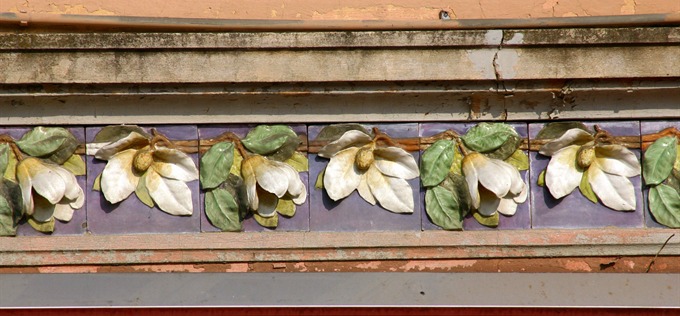
La produzione di ceramica di Campione d’Italia, iniziata nel 1700, diede vita dal 1800 alla rinomata produzione “Vecchia Ghirla”.
A Ghirla (Valganna Varese) nel 1825, nacque una vera fabbrica, che produceva una “maiolica nera”, o “terra naturale” chiamata “radica”.
Ma fu la fabbrica di Campione a cedere a quelle di Ghirla alcune ricette per produrre la “terraglia dolce” (chiamata così per i componenti e per le basse calorie di cottura: 970 / 980°C contro i 1200°C della “terraglia forte”). Incominciò così la creazione dei famosi pezzi, i cui ingredienti, quarzo, calcare e argilla, venivano ricavati dai torrentelli e dalle vene naturali del terreno collinoso del luogo. Quando Campione importò dalla Germania l’argilla “a cottura bianca”, anche Ghirla utilizzò tale materiale e si ebbero allora pezzi privi di macchie gialle, dovute all’ossido di ferro esistente nelle materie prime locali. L’antica produzione delle radiche smaltate a base di piombo di stagno riguardava solo vasellame povero, per la conservazione di alimenti; in seguito, con la proibizione dei prodotti usati per la colorazione (manganese), dichiarati nocivi alla salute, la produzione divenne prevalentemente artistica.
I manufatti, servendosi degli stampi del 1700, ne riproducevano le vecchie forme, decorate però secondo il gusto dell’epoca, con l’inserimento di motivi ispirati alla tipologia della maiolica faentina del 1400. Antonio Verda, originario di Campione, acquistò la fabbrica di Ghirla nel 1868 e la condusse fino al 1892. Fu continuata, in quel periodo, la produzione di terraglia con lavorazione a mano, su torni di legno e cottura in forni quadrati chiamati “muffole a fiamma dritta”, funzionanti a legno e carbone.
Nel 1892 il Verda cedette l’opificio a Carlo Ghisolfi, nativo di Varese, che introdusse la lavorazione a macchina con modelli di gesso, cottura in forno rotondo “a fiamma rovescia”, funzionante con carbone a lunga fiamma e a legna (sistema inglese).
A differenza dei precedenti forni, i nuovi forni avevano pareti dallo spessore di circa 80 centimetri, per consentire l’isolamento della bassa temperatura esterna, un diametro di 5 m e un’altezza di 5, 5 m. Funzionavano alternativamente. I prodotti venivano siglati a mano e presentavano il cosiddetto “bordo a foglia” che fu poi uno dei motivi conduttori della produzione.
Dal 1910 i pezzi venivano esclusivamente siglati a mano, ma venivano stampigliati a l’uso inglese con un marchio riportante in un ovale la scritta “GHIRLA”.
Spesso, unitamente allo stampiglio, compariva la sigla o la firma del decoratore; felici esiti decorativi erano poi ottenuti dall’accostamento di magnese, bruno, verde e giallo ossido. Al padre, nel 1935, succedette l’omonimo figlio Carlo, ultimo erede della bella tradizione artistica, educato alla tecnica della ceramica fin dalla sua giovinezza, durate la quale era stato anche in Inghilterra. Questi diede un notevole impulso alla fabbrica, soprattutto a livello artistico.
Durante la sua conduzione, infatti, gli studi e le ricerche della fabbrica portarono alla scoperta del famoso “bleu di Ghirla” che diveniva tale al contatto, con colori comunemente usati, di un certo ossido di cobalto importato d’Inghilterra: a livello decorativo questa tinta diede l’impronta caratteristica a tutta la produzione classica.
Si era intanto sentito il bisogno di istituire una scuola di decorazione che, aperta nel 1932, rimase attiva fino al 1935, tenuta e condotta dal pittore Giuseppe Talamoni di Varese, in collaborazione con il Ghisolfi e il decoratore Brunelli. Ogni genere ceramico di quest’ultima produzione presenta una finitura curata, vernice compatta e brillante, decorazione ora alleggerita e con pochi colori, ora cromaticamente intensa e ricca di decori, completata con filettature.
Secondo il gusto e le tendenze affermatesi nell’opera, dalla ceramica Ghisolfi uscirono: cornicioni ornamentali come quelli della villa Menotti a Gaggio, capitelli anche policromi per monumenti funerari, piatti da pareti di dimensioni anche notevoli, anfore di tipo greco, albarelli (vasi per unguenti usati in farmacia).
Il “bleu” non fu più prodotto dal 1950 (o 1951), da quando cioè la famiglia Ghisolfi cessò l’attività di tipo artigianale. Da allora la ceramica artistica chiuse definitivamente i battenti, celando per sempre in uno scrigno d’oro i suoi segreti, che nessuno potè, ne potrà più ritrovare.
Della produzione non restano che frantumate raccolte private, divenute preziose e rivalutate come esempi di un’arte nostrana irripetibile, conosciuta anche oltre confine. Dell’antica fabbrica non rimasero a lungo che pochi ed “indiscussi” ruderi, che divennero poi, nella seconda metà degli anni ’90, un condominio.